

BLUE SKY STUDIOS
Where Film Craft Met a New Pipeline
Technical Animation Lead | Blue Sky Studios (Disney)
Scrat Tales · Nimona · Spies in Disguise

Blue Sky Studios was where character came first, always. The standard wasn't whether something was technically correct, but whether it was alive. That is the foundation my career has been built on. I came in as a Technical Animation Assistant and left as Technical Animation Lead, but the most important shift in that progression wasn't the title, it was learning to see what was missing before anyone else named it and knowing how to get there. This skill mattered more than ever as the pipeline began to change beneath us.
The Space Between Art and Engineering
Film and games used to run on separate production models. Real-time workflows changed that. I was working at the exact moment that shift was happening, translating between the language of performance and feeling and the language of rigs, systems, and technical constraint, in a pipeline that hadn't fully caught up to the tools yet. I later completed the Epic Unreal Fellowship to deepen that real-time expertise formally, but the instinct started here, solving problems no one had solved yet because the pipeline itself was new.
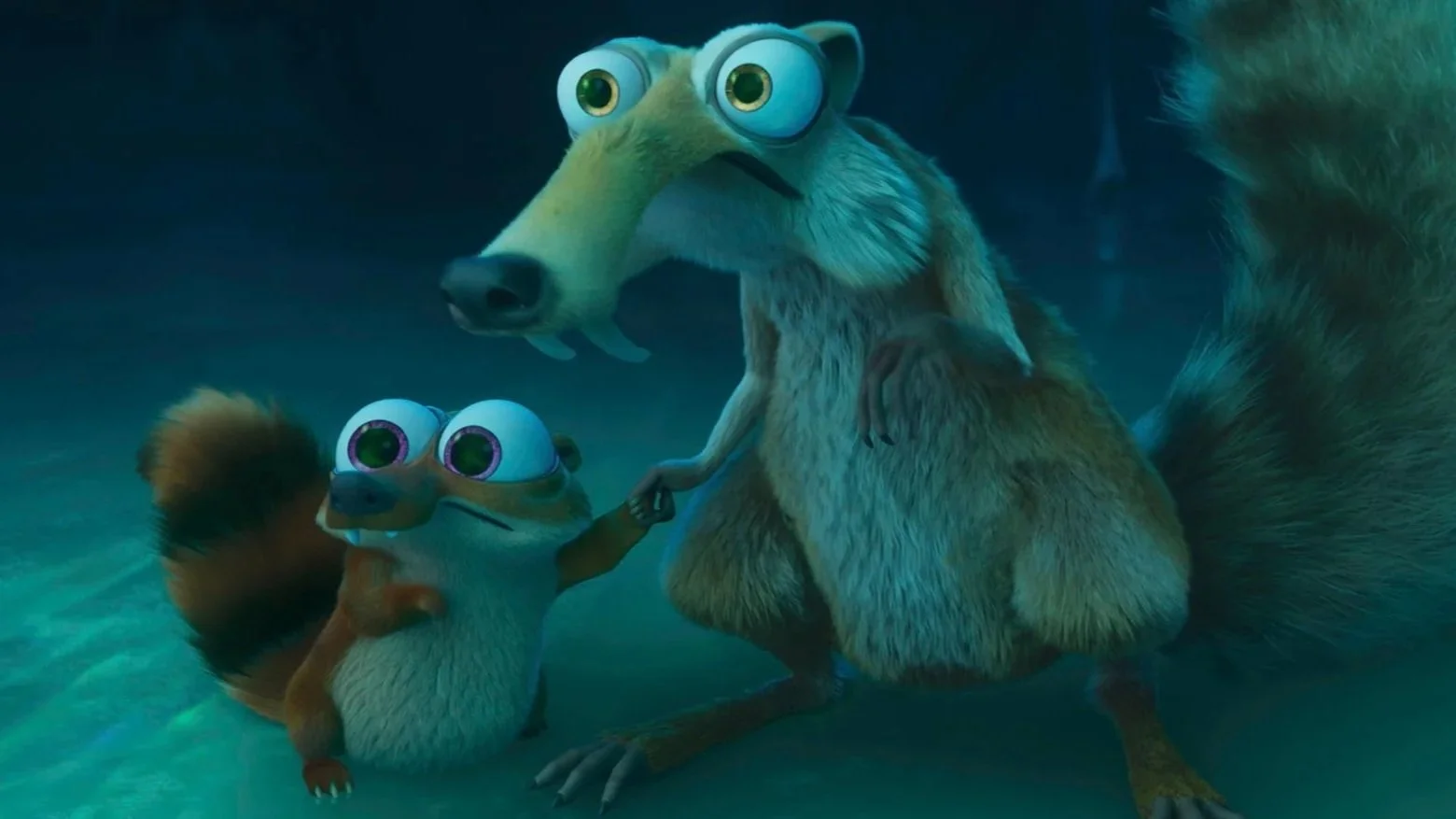
Scrat's comedy is physical — the curve of a tail, the timing of an eye dart, the weight of a bounce landing. These aren't embellishments, they’re the whole performance.
Redefining Quality Control for a Pipeline That Didn't Exist Yet
I personally oversaw every frame of the six-episode Disney+ series Scrat Tales, carrying each shot from animation through final lighting.
That sounds procedural, but it wasn't. The studio was in the middle of adopting a new Pixar USD production pipeline where multiple disciplines worked on the same scene simultaneously rather than in the traditional linear handoff. That meant "lighting lock" (the moment a shot is 100% finished) had no established definition yet. Under the new pipeline, no one could say with certainty what final actually meant, which made quality control on a compressed episodic schedule extremely difficult.
I could not personally verify what every one of thousands of frames should look like. So I changed the model. I pushed a team of over sixty animators (most of whom had never worked this way) to take ownership of their shots all the way through lighting, not just through animation. That meant tracking a shot's full journey, not handing it off and moving on. It was a challenging adjustment for a large team accustomed to a linear process, but it was the only way to ship a series of this quality on such a tight schedule, and it worked. We delivered on time, at the bar the studio had always held itself to, with a team that came out of it more capable than when they started.
Ice Age: Scrat Tales
I oversaw every frame of this series from animation through lighting lock, personally defining what "final" meant in a production pipeline that hadn't yet established the rules for its own new way of working. Shipped on time, at feature-level quality, on a compressed episodic schedule. It represents a beautiful final tribute to Blue Sky Studios iconic characters and legacy.
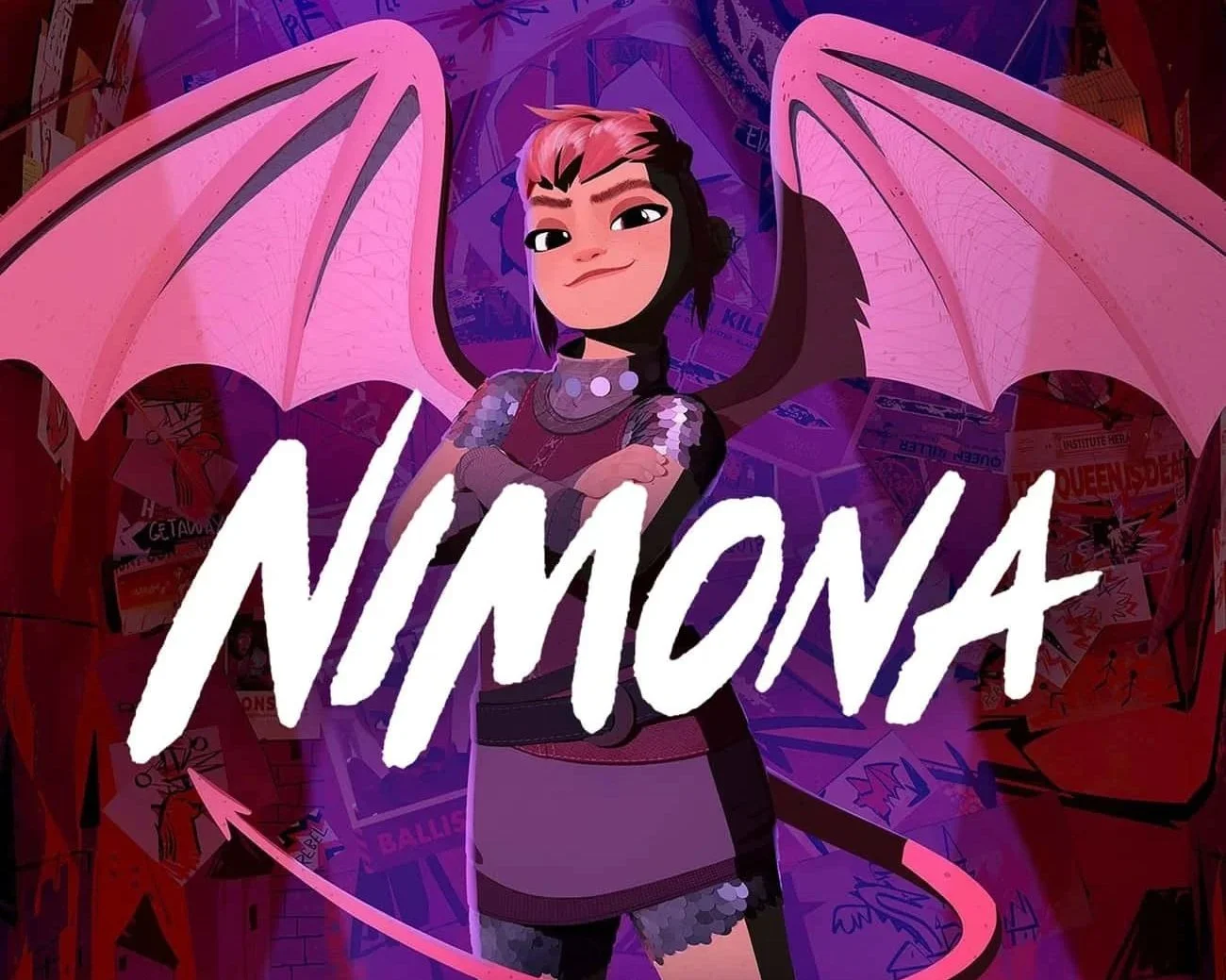
Defined technical and aesthetic approaches for complex animated sequences, solving for feasibility and pipeline strategy at the Previs and layout stage
Owned complete sequences from animation through simulation and render, developing creative solutions for character, lighting and effects work
What I Now Believe
Blue Sky taught me to see. Everything since has been learning how far that sight can travel, and how many people I can bring with me.
Feature animation carries a quality bar that very few other mediums ask for. I built my instincts there, tested them under real production pressure, and have never stopped measuring my own work against that standard, everywhere I've taken it since.